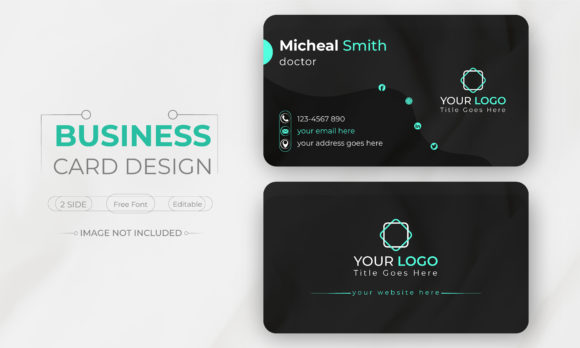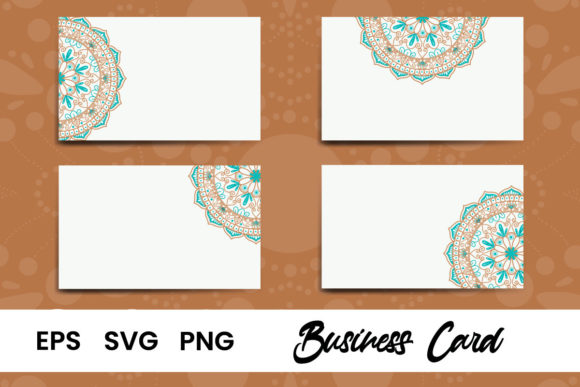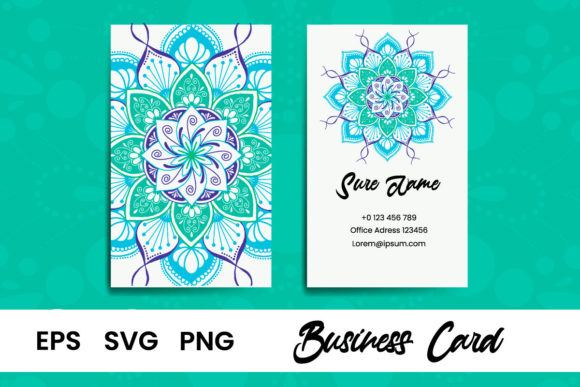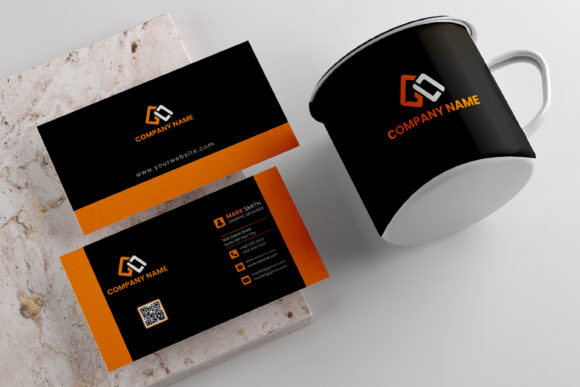
Round Business Card Design
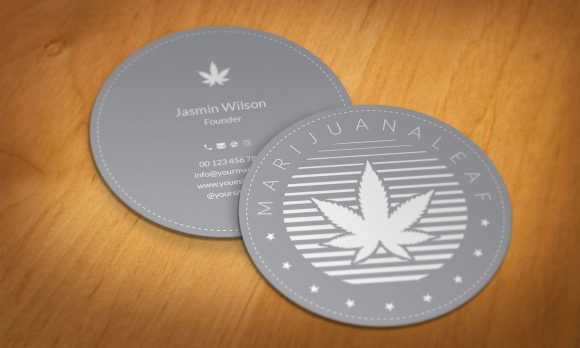
As someone who’s stitched thousands of designs across apparel, patches, baby items, and boutique merchandise, I opened Round Business Card Design expecting simplicity—but what stood out immediately wasn’t just its shape. It’s the quiet confidence in its restraint. No ornate flourishes, no crowded borders—just clean geometry, balanced negative space, and a deliberate roundness that feels both modern and timeless. That matters more than you’d think when translating a graphic into thread.
First Impressions: Why Round Feels Right for Handmade Brands
The 2.5” circular format isn’t arbitrary—it mirrors common embroidery hoop diameters and fits naturally on curved surfaces like caps, apron pockets, or the front of a baby onesie. Unlike square or rectangular templates, this shape softens branding without sacrificing clarity. When I held it up against a linen tea towel mockup, the design didn’t shout—it invited. That’s gold for craft businesses and Etsy sellers who rely on warmth and authenticity over loud graphics.
I tested it as a custom embroidered patch for a small-batch tote bag line. The round layout gave the logo room to breathe, even with subtle monogramming inside. Customers consistently tell me they remember the *feel* of a well-placed round motif—like a button, a badge, or a vintage label—more than a standard rectangle. That tactile association transfers directly to how buyers perceive your handmade product.
Where It Shines (and Where It Needs Thought)
Round Business Card Design performs beautifully on stable, medium-weight fabrics: cotton twill for patches, midweight sweatshirt fleece, structured aprons, and pillow covers with tight weaves. Its 300 dpi resolution and CMYK color mode mean it holds up cleanly in printable mockups—essential if you’re listing on Etsy or building a digital portfolio. As a Print Template, it bridges screen and stitch seamlessly.
But real-world embroidery demands honesty—not hype. On thin or stretchy fabric (think lightweight tees or baby rib knit), the outer edge can blur unless stabilized properly. I recommend a light cutaway stabilizer beneath and a tear-away on top for crisp satin-stitched borders. And while the design itself doesn’t include dense fill areas, always check stitch density in your embroidery software before scaling—especially if adapting it for smaller hoops (under 4”). Tiny lettering or fine inner details may need manual cleanup or simplification for reliable stitching.
Curved surfaces like caps? Yes—but only if the design sits fully within the front panel’s flat zone. Don’t force it onto the crown or bill curve. Likewise, dark fabrics demand contrast testing: run a black-and-white mockup first. What reads clearly on screen might vanish under navy thread on charcoal fleece without adjusting fill stitch direction or adding an outline.
Real Project Moment: A Holiday Gift That Stays Put
Last December, I used Round Business Card Design as the base for personalized kitchen towels—embroidered with family names and tiny holly motifs tucked into the corners. Because the core template is fully editable, I kept the circle intact but softened the edges with a delicate running stitch vine. It stitched flawlessly on cotton terry, held up through 12+ washes, and became a repeat order item. Why? Because customers didn’t see “a logo”—they saw heirloom energy. That’s the difference between a generic Graphics file and a considered embroidery project.
What This Design Says About Your Brand (Without Saying a Word)
Round shapes subconsciously signal approachability, inclusivity, and care—ideal for baby embroidery, wedding gifts, nursery decor, or wellness-focused apparel. When stitched cleanly, Round Business Card Design elevates perceived value. A customer paying $48 for a hand-embroidered sweatshirt notices the precision of the circle’s edge, the evenness of the letter spacing, the way the design sits flush—not proud or puckered. That builds trust faster than any tagline.
It also supports brand consistency across formats: use it as a patch on a tote, shrink it for a cap back label, scale it up for a pillow cover centerpiece, or drop it into a printable mockup for social media. Because it’s built at 2.5” with 0.25” bleed, resizing stays predictable—no pixelation, no reflow issues. Just reliable, professional-grade design assets.
Practical Designer Notes Before You Stitch
- Always test on scrap fabric first—especially if pairing with textured or dark materials.
- Check thread color contrast using both light and dark background previews.
- Review stitch density in your embroidery software; adjust if filling large areas risks stiffness.
- Confirm hoop size compatibility—this design fits comfortably in 4”, 5”, and 6” hoops, but verify before hooping.
- Inspect small details at 200% zoom: are inner curves smooth? Are letters legible at 1.5x reduction?
- Test black-and-white mockups to assess readability without color crutches.
- Use proper stabilizer: cutaway for knits, tear-away for stable wovens, and optional topping for napped fabrics.
- Verify licensing terms before selling finished embroidered items or reselling the digital file—this is critical for Etsy sellers and craft fair vendors.
Bottom line? Round Business Card Design isn’t flashy—but it’s thoughtful. It respects the craft of embroidery by prioritizing structure over spectacle, clarity over clutter, and versatility over trend-chasing. Whether you’re stitching baby embroidery for a new parent, building a boutique’s branded merchandise, or prepping holiday gifts for your small shop, this template earns its place in your workflow—not because it’s easy, but because it’s *right*.