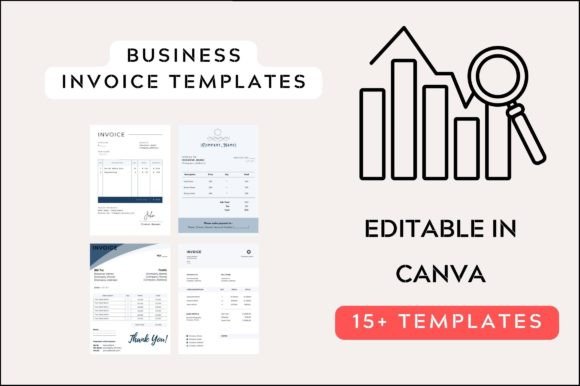
Editable Business Invoice Templates: Graphics & Print Templates
As a blog designer who’s built over 200 editorial websites—and shipped more than 4,000 custom graphics for newsletters, digital guides, and affiliate content—I opened the Editable Business Invoice Templates bundle expecting utility. What I found was something sharper: a quietly confident graphic design asset that bridges professionalism and approachability in a way few print templates do.
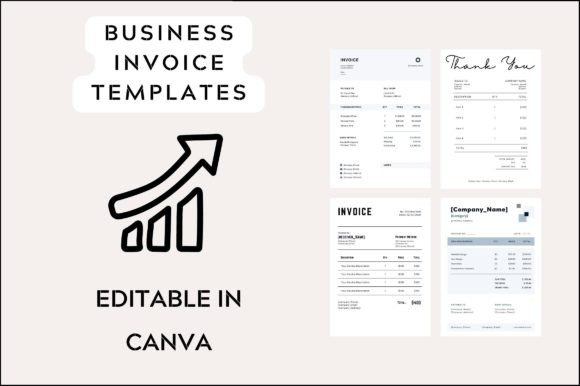
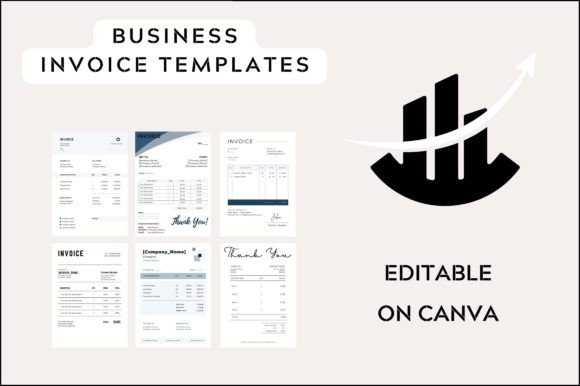
The first impression? Clean, modern design with restrained color palettes, generous whitespace, and typography that breathes. These aren’t flashy or decorative—they’re editorial-first. That means they don’t shout; they invite scrutiny. Readers scanning a blog post about freelance pricing, small business tools, or financial literacy instantly register credibility—not because of logos or stock imagery, but because the layout signals competence, clarity, and attention to detail. This isn’t lifestyle-focused or playful. It’s professional yet human: ideal for finance bloggers, online educators launching courses, affiliate marketers reviewing accounting software, or creative entrepreneurs selling digital products.
In real publishing workflows, these Editable Business Invoice Templates go far beyond billing. I used one as the foundation for a Pinterest pin promoting a free “Freelancer Finance Kit”—layering bold headline text over the invoice header, keeping the grid intact while turning it into a scroll-stopping visual. Another became the cover for a downloadable digital guide titled “Pricing With Confidence,” where the template’s subtle grid structure reinforced the guide’s practical, no-fluff tone. I’ve also repurposed sections as blog graphics—cropping the itemized table into a clean infographic-style visual for an article on transparent client contracts.
They work exceptionally well inside content marketing systems: as lead magnet covers, newsletter headers (especially when paired with a short value-driven subhead), category thumbnails for “Business Tools” or “Finance Resources,” and even as Canva templates for audience-facing assets. Because each file is fully editable (in Illustrator, Photoshop, or compatible apps), you can align colors with your brand identity, swap fonts to match your website header, or adjust spacing to fit tight editorial layouts. That flexibility makes them more than just print templates—they’re modular design assets for cross-platform consistency.
Where do they lift content performance? Immediately. A well-placed Editable Business Invoice Templates graphic strengthens visual hierarchy by guiding the eye through logical zones—header, line items, totals—without needing arrows or icons. That same rhythm translates to stronger click-through potential on social media graphics and better reader trust on resource pages. When your downloadable printable design looks like it belongs beside premium SaaS landing pages—not generic clipart—it silently elevates perceived value. For affiliate marketing pages comparing invoicing tools, using one of these as a live mockup builds instant relatability. And for small business branding? It delivers polished, ownable visuals without requiring a designer on retainer.
These graphics shine brightest in high-visibility, low-text-density contexts: hero images above long-form guides, Pinterest pins (where clean lines and contrast pop in feeds), blog graphics accompanying step-by-step tutorials, editorial accents like section dividers or quote cards, and social media previews for new digital downloads. They’re equally effective as content upgrades—say, a branded invoice worksheet inside a newsletter sequence—or as part of a media kit showing how your services are scoped and priced.
That said, use them thoughtfully. Avoid cramming dense paragraphs over the templates—their strength lies in breathing room, not text coverage. Skip them for tiny mobile thumbnails where fine lines and subtle borders blur. Steer clear in serious corporate niches (e.g., legal compliance or enterprise finance) where ultra-minimalist or monochrome systems dominate. And if your site relies on near-zero visual contrast or ultra-thin typefaces, test thoroughly: some invoice variants use light grays or delicate dividers that fade on busy backgrounds.
Here’s what I always test before deploying any digital download like this: Does it hold up at 30% size as a blog thumbnail? Does headline text remain legible over the header bar on desktop *and* mobile? How does it look beside serif body copy versus a bold sans serif display font? I also preview it beside script and handwritten fonts—because many creators layer those for warmth—and check black-and-white output for printables. File size matters too: compress final PNGs to under 300KB without sacrificing sharpness, and confirm the commercial license explicitly permits use on monetized sites, affiliate pages, and paid digital products. (Spoiler: this bundle includes full commercial rights—no attribution required.)
What sets the Editable Business Invoice Templates apart isn’t just polish—it’s purpose-built versatility. Unlike generic Canva templates or overdesigned printables, these support real editorial work: explaining processes, building trust through transparency, and packaging knowledge as a tangible, professional digital product. Whether you’re a solopreneur shipping your first eBook, a newsletter creator designing a subscriber-only resource, or a design-savvy blogger refreshing your entire visual library, this bundle delivers consistent, credible, and convertible creative design.
Bottom line? If your content lives at the intersection of education, service, and self-employment—and you need graphics that look like they belong in a thoughtful, well-branded creative marketplace—the Editable Business Invoice Templates aren’t just functional. They’re foundational.