Broken Yet Forgiven Sleeve SVG Design: Graphics for Meaningful T-Shirt Designs
As a graphic designer who’s built brand identities for faith-based boutiques, mental wellness studios, and handmade apparel lines over the past 12 years, I recently evaluated the Broken Yet Forgiven Sleeve SVG Design for a client launching a spring collection centered on healing, resilience, and quiet hope. This wasn’t just another clipart download—I treated it like a potential visual cornerstone for their entire product ecosystem.
A First Impression That Lands with Intention
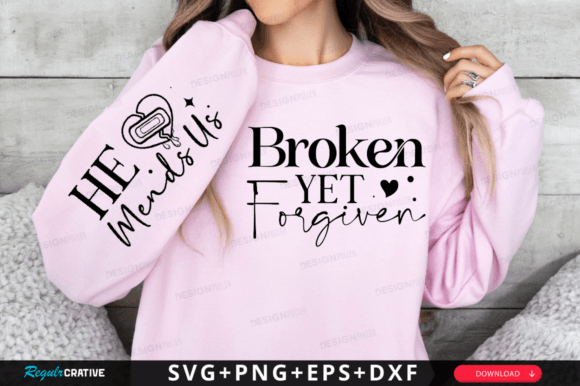
The moment I opened the file, I noticed its restrained elegance: delicate line work, intentional negative space, and a sleeve motif that reads as both literal garment detail and symbolic gesture—like an arm extended in vulnerability or acceptance. It avoids cliché religious iconography while carrying emotional weight. The style sits comfortably between modern illustration and hand-drawn authenticity—clean enough for digital use, warm enough for artisanal branding. It doesn’t shout; it invites pause. That makes it unusually effective for small business branding where tone matters more than trend.
Where This Graphic Design Asset Earns Its Place
In real-world client projects, the Broken Yet Forgiven Sleeve SVG Design shines brightest when used intentionally—not as filler, but as emotional punctuation. I’ve applied it across:
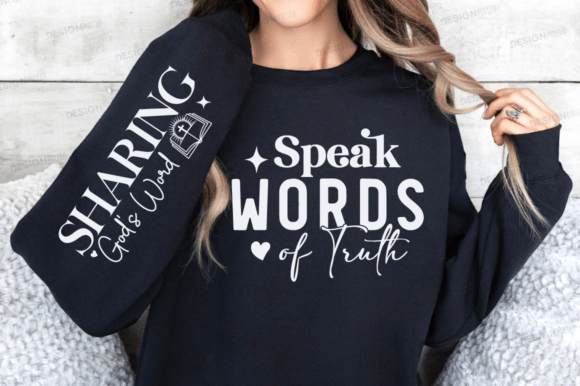
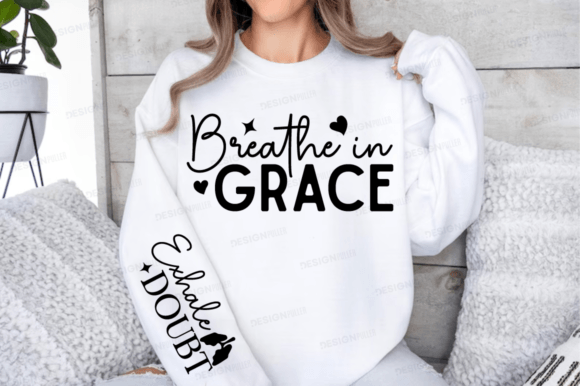
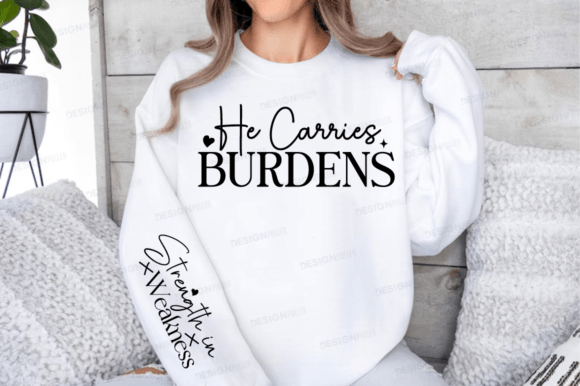
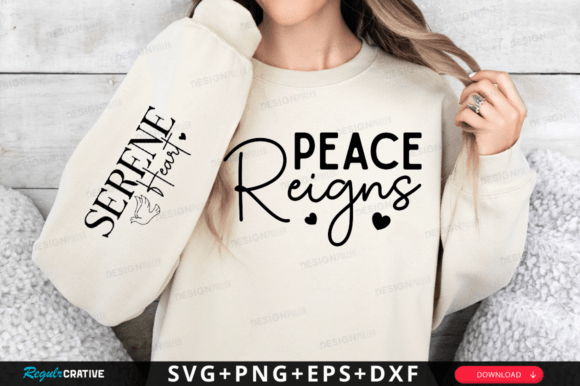
- Product mockups for Etsy and print-on-demand t-shirts—especially on soft, earth-toned fabrics where its subtle linework enhances rather than competes;
- Packaging design for candle or journal brands: scaled down as a foil-stamped detail on kraft boxes or belly bands;
- Social media graphics for Instagram carousels and Pinterest pins—paired with short affirmations or scripture verses to deepen resonance;
- Editorial design in digital newsletters or blog headers for wellness coaches and spiritual mentors;
- Cricut projects and sublimation designs where clean vector paths ensure crisp cuts and transfers;
- Printable wall art collections sold as digital products—its scalable SVG format holds up beautifully at 24×36 inches.
It also works exceptionally well as a supporting element in brand identity systems—not as a logo (it lacks standalone recognizability), but as a secondary graphic that reinforces core values across touchpoints: website banners, email footers, thank-you cards, and even custom sticker sheets for packaging inserts.
Contexts That Demand Extra Caution
This isn’t a universal-fit asset. In client work, I avoid using the Broken Yet Forgiven Sleeve SVG Design in:
- Small-scale applications under 1 inch wide—fine linework risks disappearing on embroidered patches or tiny enamel pins;
- Crowded layouts, especially alongside dense typography or photographic backgrounds—its quiet mood gets lost without breathing room;
- Minimalist corporate branding where clients prioritize stark geometry and absolute neutrality—it introduces warmth and narrative that may clash with ultra-clean visual hierarchy;
- Low-contrast environments, like light grey text on off-white backgrounds—always test contrast first;
- Projects requiring strict typographic harmony: it pairs best with gentle sans serifs (think Poppins Light) or soft serifs (Cormorant Garamond), not bold display fonts or aggressive scripts.
Design Judgment in Action: What You Must Verify
Before clearing this SVG for commercial use in a client project, here’s my non-negotiable checklist:
- Test in black and white—does the line weight hold integrity? Does it flatten into a muddy silhouette?
- Preview on both light and dark backgrounds—especially if the client uses dual-mode web themes or offers apparel in multiple colors.
- Scale it from thumbnail to billboard size—SVG scalability is assumed, but always confirm no embedded raster elements degrade quality.
- Place it on realistic product mockups—not just generic templates, but ones matching your client’s actual t-shirt fabric, mug finish, or cardstock weight.
- Run a print test—particularly for sublimation or DTG workflows where ink bleed or color shift can mute fine details.
- Inspect file structure: Is the SVG truly vector-editable in Illustrator? Are layers named and grouped logically? Are PNG variants included with clean transparency?
- Confirm commercial licensing—this is critical for print-on-demand sellers and digital product creators. Does the license explicitly cover resale, merchandising, and SaaS integrations like Canva templates?
Why It Fits Real Creative Work—Not Just Stock Libraries
What separates the Broken Yet Forgiven Sleeve SVG Design from generic clipart is its quiet intentionality. It doesn’t try to be everything—it knows its lane: evoking tenderness, honoring struggle, and suggesting grace without sentimentality. That specificity makes it valuable for designers building authentic brand voices—not just slapping graphics onto products.
For handmade businesses, it adds emotional texture to otherwise functional items: a mug becomes a moment of reflection; a tote bag carries quiet conviction; a greeting card feels personally chosen, not algorithmically assembled. For marketers, it supports campaigns around Mental Health Awareness Month or Lenten reflection series with visual dignity—not stock-photo sterility.
In editorial and web design contexts, it functions as visual shorthand—communicating complex themes faster than paragraphs of copy. And for Cricut users and crafters, its clean paths mean fewer troubleshooting steps and more time spent creating meaning, not fixing vectors.
Ultimately, the Broken Yet Forgiven Sleeve SVG Design earns its place in professional creative workflows not because it’s flashy or trendy—but because it serves a human need with visual restraint. When aligned with the right client, message, and medium, it doesn’t just decorate. It resonates.